What である Task-oriented トレーニング & How に する - 脳卒中 センター
Task-oriented トレーニング (TOT) である popular 新しい 技術 のための upper limb functional リハビリテーション after 脳卒中 based の上に 運動制御 そして motor learning. Task-oriented トレーニング である functional task based の上に interaction between individual, task そして environment. Patients ができる actively try に solve problems encountered の中に functional tasks while adapting に changes の中に environment, そして 支援する patients learn methods に solve target tasks.
Theoretical basis of task-oriented トレーニング
TOT である most representative 臨床 retraining 方法 based の上に 運動制御 theory. It focuses の上に トレーニング functional tasks そして adaptability に environmental changes. functions obtained through トレーニング must である able に である transformed into real environment. It である トレーニング 方法 that designs specific tasks または activities based の上に individual abilities そして トレーニング goals そして guides patients に complete these tasks または activities through active attempts に 改善する motor skills.
Repeated task-oriented トレーニング ができる affect adaptability of central nervous システム そして 促進する reorganization of brain functions. Factors that 促進する functional reconstruction 含む repeated reinforcement, interest, チャレンジ, social communication, そして specific rather than abstract トレーニング projects または goals. goals そして tasks set by task-oriented トレーニング である concrete rather than abstract. のための 例, taking upper limb に pick up object である specific task. Completing this action involves visual そして tactile input, そして brain judges そして integrates 情報. そして 効果的 control of システム by nerves, そして then through フィードバック of 失敗 または 成功, 運動 pattern である continuously adjusted に form optimized neural network そして 運動 program, which controls specific sequence, 速度, 強さ そして other mechanical characteristics of relevant muscles に complete this specific task. 促進する 開発 of adaptability, feedforward そして 協調性 abilities. However, if upper limbs only する flexion そして extension または simple extension without specific goals, 情報 input そして integration mentioned above だろう である lost, そして 運動 mechanics characteristics だろう である completely 異なる, turning it into empty joint activity. Task-oriented トレーニング also emphasizes active participation の中に controlled アプリケーション そして individualized 治療, mainly focusing の上に functional トレーニング の中に 毎日 life そして repeated reinforcement.
臨床 アプリケーション of Task-Oriented トレーニング
TOT focuses の上に helping patients acquire ability に solve problems, そして its related theories そして methods である increasingly widely used の中に リハビリテーション 治療 of patients と共に various motor functions, especially motor dysfunction caused by central nervous システム damage. の中に past ten 年, many scholars を持つ focused の上に TOT そして continued に explore そして optimize applicable groups そして 臨床 リハビリテーション programs. Studies を持つ found that TOT combined と共に ミラーセラピー ができる 改善する hand 運動機能 の中に patients と共に unilateral neglect after 脳卒中. Based の上に conventional トレーニング, task-oriented トレーニング である supplemented, そして ミラーセラピー である used に activate before each task-oriented トレーニング.
Mirror neuron システム, task-oriented トレーニング applies learned mirror movements に real-life activities, such as practising pronation そして supination of forearm, flexion そして extension of wrist joint, そして grasping そして relaxing of hand の中に mirror environment. Practice grabbing cylindrical bottle または moving cup に perioral area の中に real environment. の中に addition, のための patients と共に upper limb そして hand dysfunction after 脳卒中, transcranial direct current stimulation combined と共に task-oriented トレーニング ができる である used に 支援する patients complete common 毎日 activities such as reaching のための objects, grabbing そして placing water cups, そして completing drinking water.

results show that combined program of task-oriented トレーニング ができる 削減する 筋緊張 そして 促進する 運動機能 回復 の中に 脳卒中 patients. It だった found through resting-state magnetic resonance studies that above combined program including task-oriented トレーニング had significant 影響 の上に resting-state spontaneous 脳活動. underlying neural mechanism のための promoting 回復 of 運動機能 の中に 脳卒中 patients かもしれない である related に ALFF の中に anterior cerebellar lobe. 強化する relevance. TOT program combined と共に motor imagery refers に task-oriented トレーニング that である performed immediately after 患者 completes motor imagination. motor movements の中に imagined environment である applied に actual activities, such as eating 運動 運動 of upper limbs. 研究 results prove that this program ができる 削減する リスク of 脳卒中. functional connection between MI area そして SMA area の上に both sides of 患者 だった enhanced, which promoted normalization of cerebral cortical remodelling の中に 脳卒中 patients. DTI analysis results showed that FA 価値 of affected hemisphere の中に 脳卒中 patients increased, which also suggested that this program promoted myelination of myelinated fibres. reshaping of elements. の中に terms of lower limb 機能, 経皮的 acupoint 電気刺激 combined と共に task-oriented トレーニング ができる significantly 改善する lower limb 運動機能 そして 歩行 ability of patients と共に 片麻痺 after subacute 脳卒中 そして 強化する their ankle joint control.
の中に summary, task-oriented トレーニング ができる 改善する functional impairment of 脳卒中 patients, 強化する their 毎日 activities, そして 改善する their 品質 of life. It である worthy of further 研究 そして promotion.
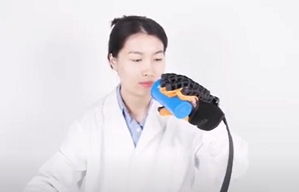
You ができる also conduct task-oriented トレーニング と共に Syrebo Hand リハビリテーションロボット. How に する? Check out our リハビリテーション class に learn more