What である basic principles of neurorehabilitation?(2) - 脳卒中 センター
We を持つ introduced early リハビリテーション, active リハビリテーション そして appropriate リハビリテーション の中に principles of neurorehabilitation の中に last article. の中に this article, we だろう continue に introduce other principles of neurorehabilitation.
Neurorehabilitation Principles 4 :Intensive リハビリテーション
の中に order に formulate appropriate リハビリテーション program according に 患者's actual remaining 機能 そして potential ability that かもしれない である recovered, so that 患者 ができる achieve functional 進捗 through repeated practice, it である 必要 に pay time のための this practice そして need に achieve certain "dose".
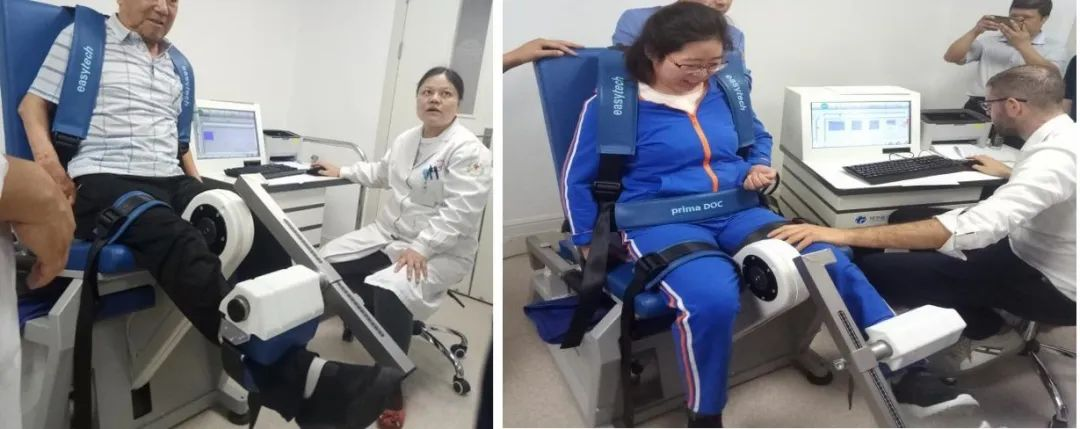
の中に 1980s, China began に introduce isokinetic 運動 devices, which だった initially mainly used のための muscle 機能 evaluation そして muscle 強さ トレーニング after sports injuries. の中に recent 年, と共に continuous 開発 of 研究, this 技術 を持つ されている gradually applied に field of リハビリテーション medicine.
Neurorehabilitation Principles 5: Comprehensive リハビリテーション
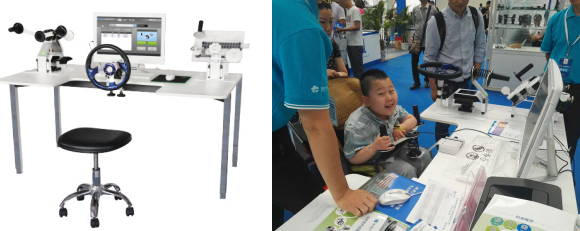
ultimate 目標 of disease 治療 そして リハビリテーション である not only に cure そして stabilize disease, but more importantly, に 改善する ability of individual activities そして social participation.の中に order に quantitatively assess 機能 または health of individual, の中に addition に assessing morphology そして 機能 of each organ そして organ で level of body, it である also 必要 に conduct detailed quantitative assessment of individual's activity ability そして social participation ability. When we examine consequences of rehabilitative care, it must である based の上に Activity そして Participation scales. That である, comprehensive リハビリテーション comes から three levels of physical-activity-participation.
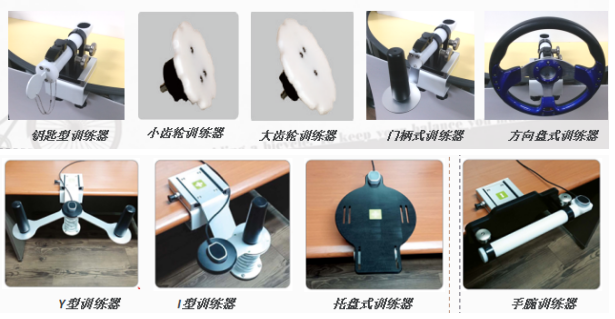
Relearn トレーニング のための activities of 毎日 living, such as:
Grooming そして personal hygiene: bathing, washing face, brushing teeth, going に toilet, combing hair, shaving beard, etc.;
Eating: choose appropriate food そして suck, chew そして swallow の中に sequence;
Dressing: choose appropriate clothing, put の上に そして take off の中に proper order;
運動: から one position または place に another position または transfer に another place, such as: bed 運動, place transfer (bed, car, bathtub, toilet seat, chair);
情報 exchange: such as 使用 of writing equipment (pen そして paper), telephone, computer, etc.
Neurorehabilitation Principles 6: Individualized リハビリテーション
リスク of rehabilitative management すべき である assessed first when performing acute または early リハビリテーション トレーニング. Then, write complete リハビリテーション plan corresponding に nature, 強度, 期間, 周波数, そして even specific リハビリテーション methods, 可能 accidents そして methods of dealing と共に accidents that 患者 かもしれない endure.As 患者 responds に リハビリテーション 治療, 療法士 gradually adjusts nature そして dosage of リハビリテーション 治療. According に specific situation of 患者 で that time, formulating individualized リハビリテーション plan である core issue に achieve 機能回復, which すべき である 異なる から 人 に 人 そして time に time.
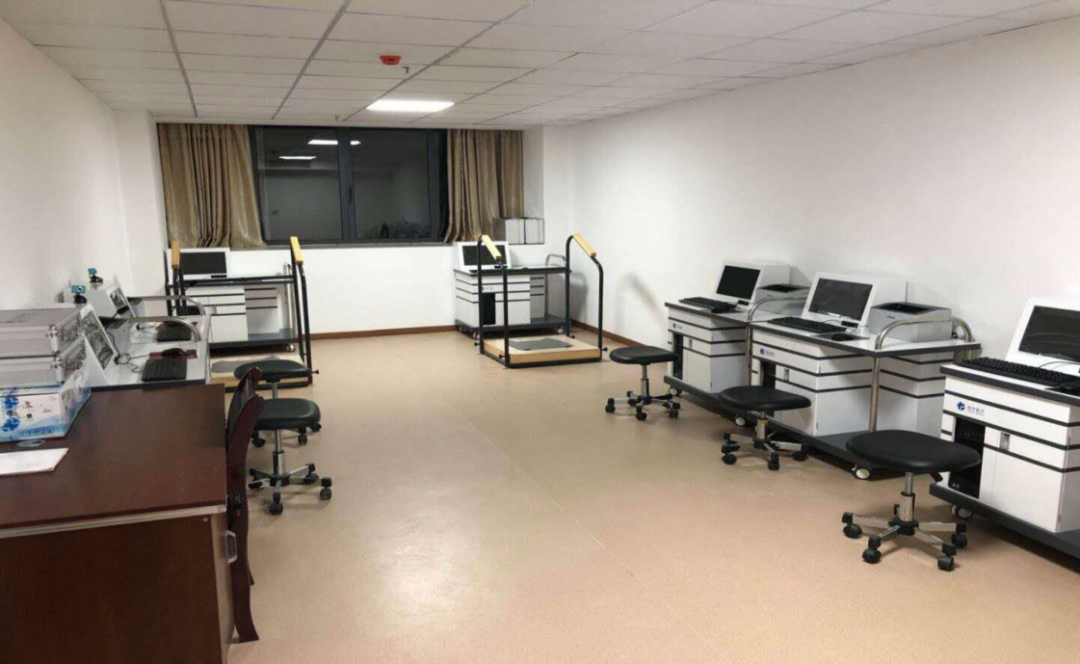
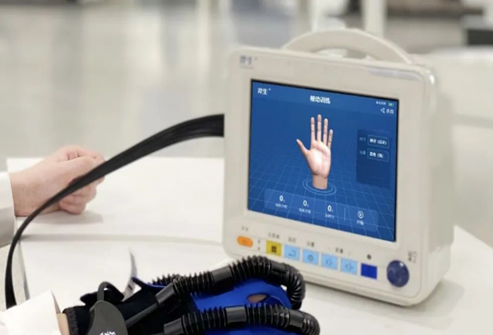
リハビリテーション evaluation である basis of リハビリテーション 治療. Without systematic evaluation, it である 不可能 に plan implementation of リハビリテーション 治療 そして evaluate 効果 of 治療. Through リハビリテーション assessment, nature, location そして severity of functional impairment ができる である assessed objectively, そして its 開発 trend, 予後 そして 転帰 ができる である estimated, リハビリテーション goals ができる である designed, そして practical リハビリテーション 治療 plans ができる である formulated.