Understanding 痛み リハビリテーション: Path に 回復 - 脳卒中 センター
痛み である 不可欠 part of human 経験, signalling potential harm に body. However, when 痛み persists beyond its protective role, it ができる become debilitating condition that affects 毎日 life. 痛み リハビリテーション aims に manage そして alleviate chronic 痛み through various エビデンス-based approaches, improving 品質 of life のための those affected.
What である 痛み?
痛み である defined as unpleasant sensory そして emotional 経験 associated と共に actual または potential tissue damage. It である broadly categorized into acute 痛み そして chronic 痛み. Acute 痛み である short-term, usually resolving as underlying cause heals, such as cut または fracture. Chronic 痛み, の上に other hand, lasts beyond three に six ヶ月 そして often persists even after initial injury または condition を持つ healed. It ができる arise から conditions like arthritis, 神経損傷, または musculoskeletal disorders.
Types of 痛み
痛み ができる である classified into 異なる types based の上に its origin そして characteristics:
Nociceptive 痛み: Caused by injury または inflammation affecting tissues, such as burns, cuts, または joint 痛み.
Neuropathic 痛み: Resulting から 神経損傷, commonly seen の中に conditions like diabetic neuropathy または sciatica.
Musculoskeletal 痛み: Related に muscles, bones, そして joints, often experienced の中に arthritis または back 痛み.
Psychogenic 痛み: Influenced by psychological factors such as stress, anxiety, または depression, without clear physical causes.
Measuring 痛み
痛み である subjective, making its measurement challenging. However, various tools 支援する assess 痛み levels, ensuring 効果的 治療:
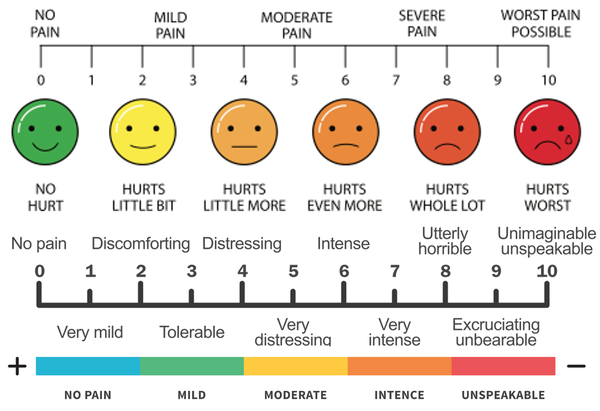
Visual Analog Scale (VAS): Patients mark their 痛み 強度 の上に line ranging から "no 痛み" に "worst 痛み."
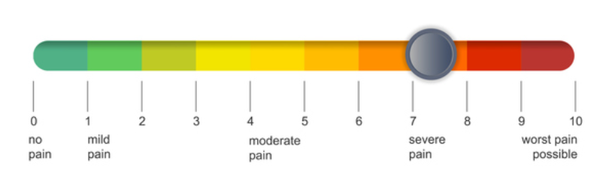
Numerical Rating Scale (NRS): simple 0-10 scale where 0 represents no 痛み, そして 10 represents extreme 痛み.
McGill 痛み Questionnaire: Uses descriptive words に assess 痛み's 品質, 強度, そして emotional 影響.
Functional 痛み Assessments: Evaluate how 痛み affects 運動 そして 毎日 activities.
痛み リハビリテーション Methods
痛み リハビリテーション employs multimodal アプローチ に relieve 痛み そして 回復する 機能. 理学療法 である 重要 治療 のための 痛み リハビリテーション.
理学療法
理学療法 である cornerstone of non-invasive 疼痛管理, aiming に 回復する 可動性, 削減する discomfort, そして 防止する future injuries. It encompasses various techniques tailored に individual needs, including:
運動 療法: Targeted 運動 支援する 強化する muscles, 改善する flexibility, そして 強化する joint 安定性, reducing strain そして preventing 痛み recurrence. Common methods 含む resistance トレーニング, stretching routines, そして low-影響 aerobic 運動.
Manual 療法: Hands-の上に techniques such as massage, joint mobilization, そして soft tissue manipulation 支援する alleviate muscle tension, 改善する circulation, そして 回復する 関節可動域. These methods である particularly 効果的 のための musculoskeletal 痛み そして post-injury 回復.
Postural トレーニング: Poor posture ができる contribute に chronic 痛み by placing excessive stress の上に muscles そして joints. Postural correction techniques focus の上に body alignment, ergonomic adjustments, そして 運動 re-education に 防止する strain そして discomfort.
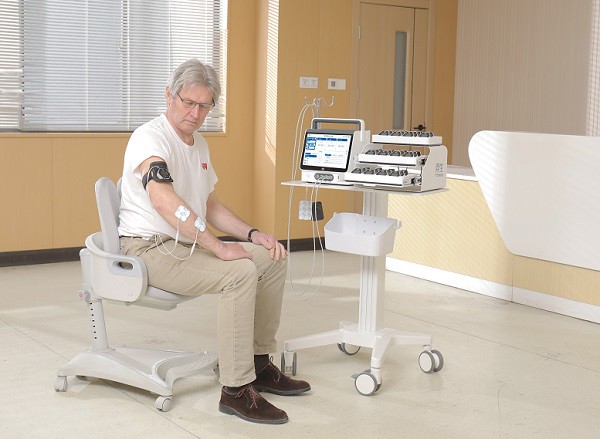
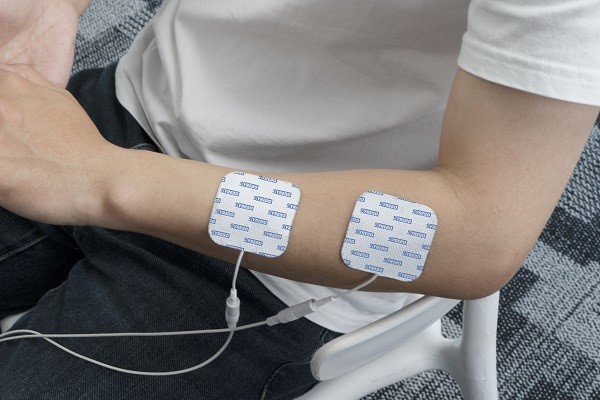
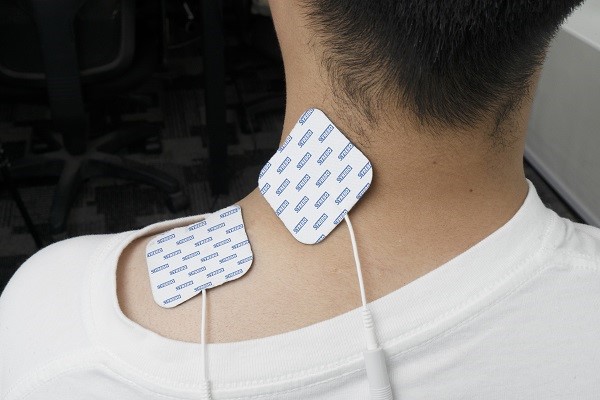
電気療法: 高度な modalities such as 経皮的 electrical 神経刺激 (TENS(経皮的電気神経刺激)) 使用 electrical impulses に stimulate nerves, block 痛み signals, そして 促進する tissue healing.
Additionally, Syrebo Low そして Medium 周波数 電気療法 システム integrates wired medium-周波数 そして wireless low-周波数 stimulation into single デバイス, offering 4 wired medium-周波数 channels そして up に 36 wireless low-周波数 channels. This allows のための simultaneous multi-channel 治療, improving 効率 そして reducing equipment costs のための hospitals. システム comes pre-installed と共に 40 electrotherapeutic prescriptions, while therapists ができる also customize 治療 plans by adjusting wave parameters に meet individual 患者 needs. By delivering precise, adjustable 電気刺激, this システム enhances circulation, relieves 痛み, supports 神経筋 回復, そして facilitates functional リハビリテーション-particularly benefiting patients who 必要とする both passive そして active 療法.