Home Care After 脳卒中
After リハビリテーション, について 60% of 脳卒中 patients ができる take care of themselves の中に 毎日 life で end of first 年.Only 5% patients need full 支援する. Therefore, after 脳卒中 患者 discharged から 病院, family needs に 提供する adequate understanding そして サポート に 支援する him recover his life functions に greatest extent.
1.Give more love そして patience
sequelae of 脳卒中 ができる cause great physical そして psychological trauma に patients, such as anxiety, anger, そして even world-weariness,especially のための those who である で peak of their careers そして である relatively young.
Family members すべき fully understand 脳卒中 患者’s eagerness に return に work そして life, tell him 開発 of disease, guide him に 運動 rationally, adjust his diet そして living habits, そして give him confidence そして expectations のための life. These patients を持つ fewer underlying diseases, である relatively young, そして を持つ relatively high social level. Coupled と共に strong subjective willingness, if they ができる 運動 scientifically そして manage their health, 回復 だろう である relatively good. nd possibility of returning に work または life である very high.
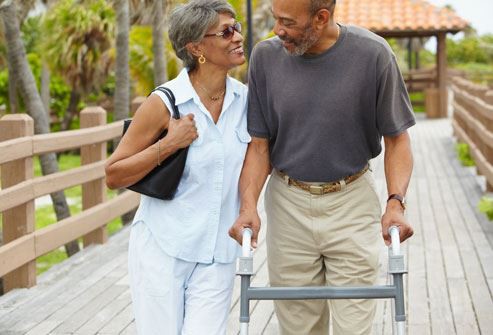
2.Create healthy family environment
onset of 脳卒中 である often accompanied by リスク factors. Therefore, it である 必要 に intervene の中に some long-term bad habits または factors during リハビリテーション プロセス. Creating family environment that である conducive に physical そして mental health, such as relaxed そして happy family atmosphere, promoting low-salt そして low-fat nutritious diets, そして sports-loving habits, ができる 強化する 患者’s awareness of リハビリテーション, 支援する correct bad habits, そして 支援する 機能回復.

3.強化する family protection awareness
After 脳卒中, there である many sequelae such as inflexible legs そして feet, そして it である 簡単 に fall. Therefore, accumulation of debris すべき である minimized で home, ground すべき である kept dry そして non-slip, そして guardrails ができる である installed beside bed または の中に toilet if conditions permit. の中に addition, 脳卒中 patients すべき wear non-slip shoes instead of slippers. family すべき also teach 患者 how に get up after fall, so as に 削減する their fear of falling そして injury after fall.