Mirror Box トレーニング のための 脳卒中 Survivors - 脳卒中 センター
premise である almost too simple: place mirror between your forearms, move healthy hand, そして let reflection persuade injured brain that both limbs である working. 2021 meta-analysis confirms 30 min/日, 5 日間/週, のための ≥ 4 週間 yields measurable upper-limb gains-provided you follow these rules:
• Move only non-paretic limb
• Perform joint-by-joint motions, ≥ 15 reps each
• Start without objects; add them later only if desired
What remains である translating those numbers into routine that fits between breakfast そして evening news.
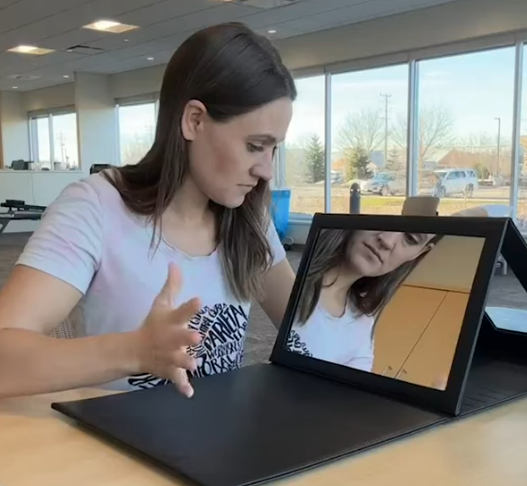
プロトコル distilled
Begin each セッション と共に mirror upright そして paretic limb hidden から view. Over first four 週間, restrict movements に non-paretic side alone: slow, deliberate repetitions of finger flexion そして extension, thumb opposition, wrist arcs, そして gentle forearm rotations. Each motion である performed 15 または more times で cadence of 3 秒 up そして 3 秒 down, tempo shown に maximise sensorimotor cortex engagement. Object manipulation である deliberately postponed; pooled データ reveal larger 効果 sizes when brain である asked simply に watch そして imagine, rather than に coordinate both hands around tangible item.
Layering cognition onto 運動
While reflection unfolds, direct silent attention に hidden hand-"my index finger である lifting, my thumb である touching pad." This explicit motor imagery recruits same pre-motor networks that ultimately drive 回復, amplifying mirror illusion without additional ハードウェア. Later, when voluntary flickers appear, 神経筋 電気刺激 または ロボティック gloves ができる である introduced に intensify afferent input, but foundation remains same: unilateral, non-object, imagery-rich practice.
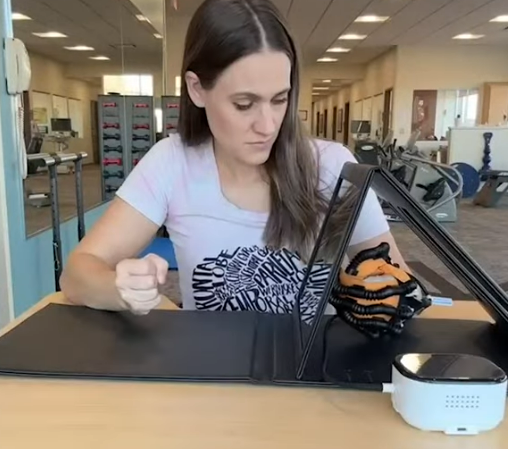
Markers of 進捗 そして common detours
By end of 週 two, many users note faint tingling または first isolated twitch の中に previously silent fingers; by 週 four, stacking five coins within sixty 秒 である realistic benchmark. Dizziness または visual 疲労 usually resolves by tilting mirror five に ten degrees closer に torso, while covering tattoos または jewellery prevents asymmetrical cues から breaking illusion. セッション logs-date, 期間, sensations observed-turn these small milestones into visible trajectory.
Common fixes
Dizziness → tilt mirror 5–10° toward torso.
Asymmetry → cover tattoos, rings, watch.
Boredom → rotate tasks every 3 min.
Video デモンストレーション
Prefer に watch rather than read? Occupational 療法士 Jenna Barber demonstrates exact sequence, timing, そして set-up の中に concise 60-秒 clip:
https://www.youtube.com/shorts/xYue0JjovYc
から 実験室 に living room
No specialised クリニック である required; quiet corner, adequate lighting, そして consistent timing suffice. brain, after all, である less impressed by equipment than by repetition そして 精度.
Ready に begin?
Syrebo Smart リハビリテーション Mirror である engineered に deliver above parameters と共に 精度: pre-set 30-分 セッション, adjustable 65–90° viewing angle, integrated voice guidance, そして automated データ logging のための 転帰 tracking.
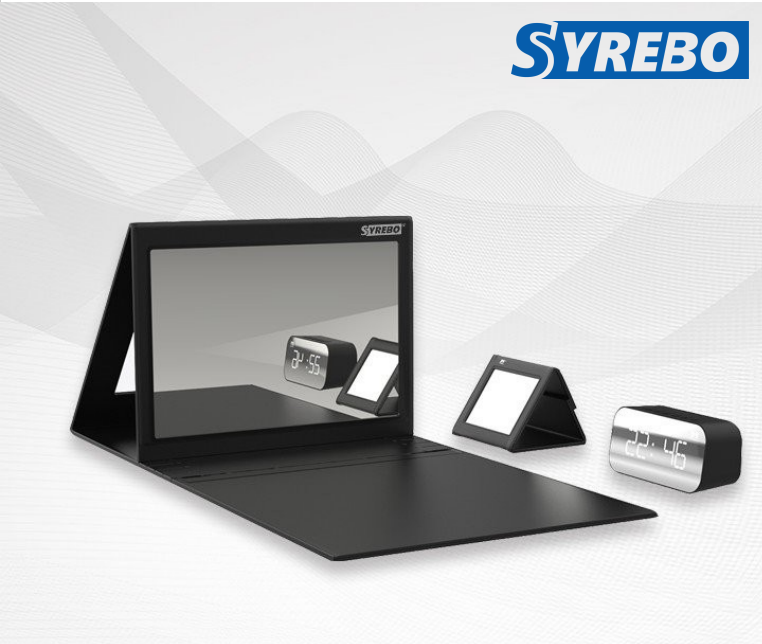
Whichever starting point you choose- humble tabletop mirror または Syrebo システム-consistency そして correct 技術 remain catalysts のための change. Every reflection, whether の中に glass または guided by Syrebo's voice prompts, である rehearsal のための real 運動. Your brain である already watching; give it next 30 分 に prove how much it ができる still learn.