Effects of Mirror-imaging リハビリテーションロボット の上に Hand 運動機能 の中に Subacute 脳卒中 Patients: Randomized Controlled 研究 - 脳卒中 センター
Introduction
の中に recent 年, と共に 開発 of science そして 技術, hand リハビリテーション robots を持つ gradually become one of intelligent technological means に サポート 開発 of リハビリテーション medicine そして 促進する 神経学的 リハビリテーション of hand 機能 after 脳卒中.
It を持つ されている widely used の中に 臨床 practice. の中に response に 異なる needs of patients のための リハビリテーション トレーニング, various hand リハビリテーション robots that conform に modern リハビリテーション concepts を持つ されている developed, including リハビリテーションロボット と共に mirror トレーニング. However, its 治療的 効果 の上に hand functional リハビリテーション still lacks 臨床 エビデンス サポート. This 研究 である に explore リハビリテーション effects of mirror-imaging リハビリテーションロボット の上に hand 運動機能 の中に subacute 脳卒中 patients.
Methods
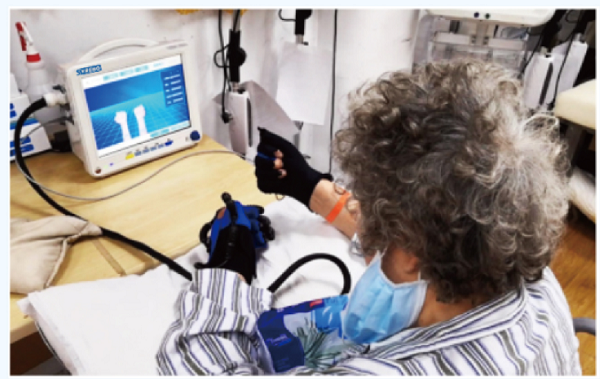
This retrospective 研究 enrolled 40 subacute 脳卒中 patients. They だった randomly divided into observation グループ そして control グループ. Conventional リハビリテーション 療法 だった given の中に both groups, リハビリテーションロボット((HR-08E, Syrebo)だった added の上に this base の中に observation グループ, which lasted のための 4 週間. Hand 機能 だった evaluated before そして after 4 週間 of 治療.
Results
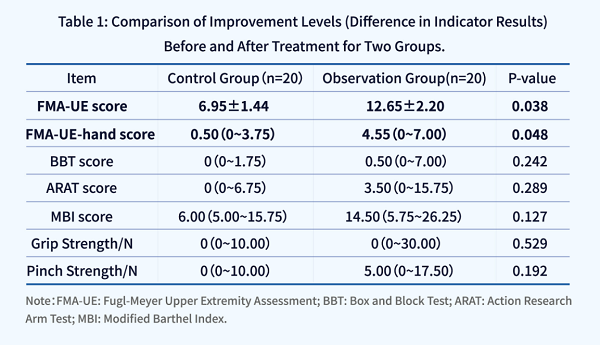
Statistical analysis of degree of 改善 found that difference の中に FMA-UE score そして FMA-UE hand score の中に observation グループ だった higher than の中に control グループ, which だった statistically significant.
のための 改善 degree, 改善 score of FMA-UE score (P=0.038) そして FMA-UE hand score (P=0.048) の中に observation グループ だった all higher than that の中に control グループ.
Conclusions
mirror-imaging リハビリテーションロボット ができる 改善する hand 運動機能 の中に subacute 脳卒中 patients. そして, と共に advantages of small size, portability そして 簡単-に-operate, it ができる である used as auxiliary 療法 技術.
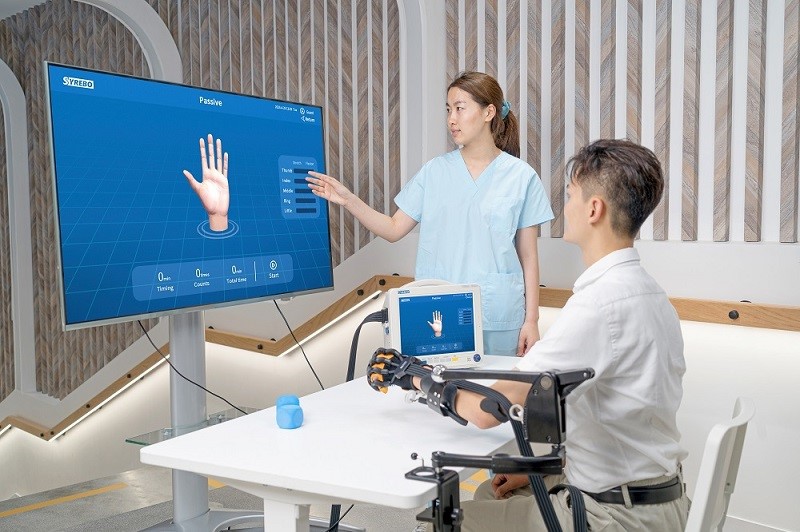
Syrebo Hand リハビリテーションロボット SY-HR08E